Can you fly a drone in Montenegro, and is it worth the paperwork? The country's Adriatic coast, the Bay of Kotor and the mountain national parks are extraordinarily photogenic — but Montenegro is one of the stricter European countries for drone tourists, with an import permit, registration for camera drones, sweeping no-fly areas and a regulator whose procedures have been in flux. Crucially, Montenegro is not in the EU, so EU/EASA rules do not automatically govern flying here, even though Montenegro recognises some EU credentials. Everything below is a starting point, not legal clearance: rules change, so verify the current position with Montenegro's Civil Aviation Agency (CAA) before you fly.
Quick reference
| Question | Short answer (verify with the CAA) |
|---|---|
| Who regulates drones? | The Civil Aviation Agency — Agencija za civilno vazduhoplovstvo (CAA), at caa.me |
| Do EU/EASA rules apply automatically? | No — Montenegro is outside the EU; it has its own regime, though it recognises EU operator credentials |
| Import permit to bring a drone in? | Generally yes — arrange in advance; expect a small fee and processing time |
| Registration? | Camera drones and larger drones generally must be registered/declared with the CAA |
| National parks | Treated as off-limits — all five national parks |
| Night flying | Not permitted — daylight only |
| Line of sight | Must keep the drone within visual line of sight |
Bottom line: don't just turn up and launch. Sort the import permit and any registration before you travel, keep well clear of airports, the Bay of Kotor's sensitive sites and national parks, and confirm every point directly with the CAA, because the details shift.
Montenegro is not the EU — so EASA rules don't just apply
If you fly in Spain, France or Germany, you operate under the EU-wide EASA drone framework. Montenegro sits outside that system. It runs its own national rules through the Civil Aviation Agency, so you cannot assume your home-country EASA registration alone makes you legal here. That said, Montenegro has moved partly toward recognising EU credentials: reporting through 2025–2026 indicates that EU-registered operators' EASA operator IDs and competency certificates are recognised, sparing them from re-registering locally — but they still need a Montenegrin import permit to bring the drone into the country. Non-EU visitors face the fuller local process. Because this recognition is relatively recent and the procedures have been changing, treat it as something to confirm, not to bank on.
Import permit and registration
Two separate things trip up visitors: getting the drone into the country, and being allowed to fly it.
- Import permit. Montenegro generally requires a permit to bring a drone across the border, arranged in advance with the relevant authority. Expect a modest fee and a processing window of a few weeks, and be aware that application forms have at times only been available in Montenegrin. Arrange this well before your trip rather than at the airport.
- Registration / declaration. Drones with a camera, and drones above the small-toy threshold, generally must be registered or declared with the CAA. Complicating matters, the CAA withdrew its online forms in early 2025, and the practical process has at points been unclear — another reason to contact the agency directly and get current instructions in writing.
- Insurance. Third-party liability insurance is generally expected for drone operations; check what documentation the CAA and your insurer require.
Because these requirements have genuinely been in flux, the single most reliable step is to email or call the CAA (caa.me) before you travel and keep their reply. We are deliberately not quoting specific penalty amounts here, because fine figures circulating online are inconsistent and change — the CAA is the authority on consequences as well as rules.
Where you cannot fly
Even with permits in hand, large parts of the most tempting scenery are off-limits or highly sensitive:
- Airports. Keep well clear of controlled airspace around Tivat (TIV) and Podgorica (TGD) airports. Tivat's airport sits right on the Bay of Kotor, so a lot of the bay's most iconic viewpoints are close to its airspace — a real constraint for coastal filming.
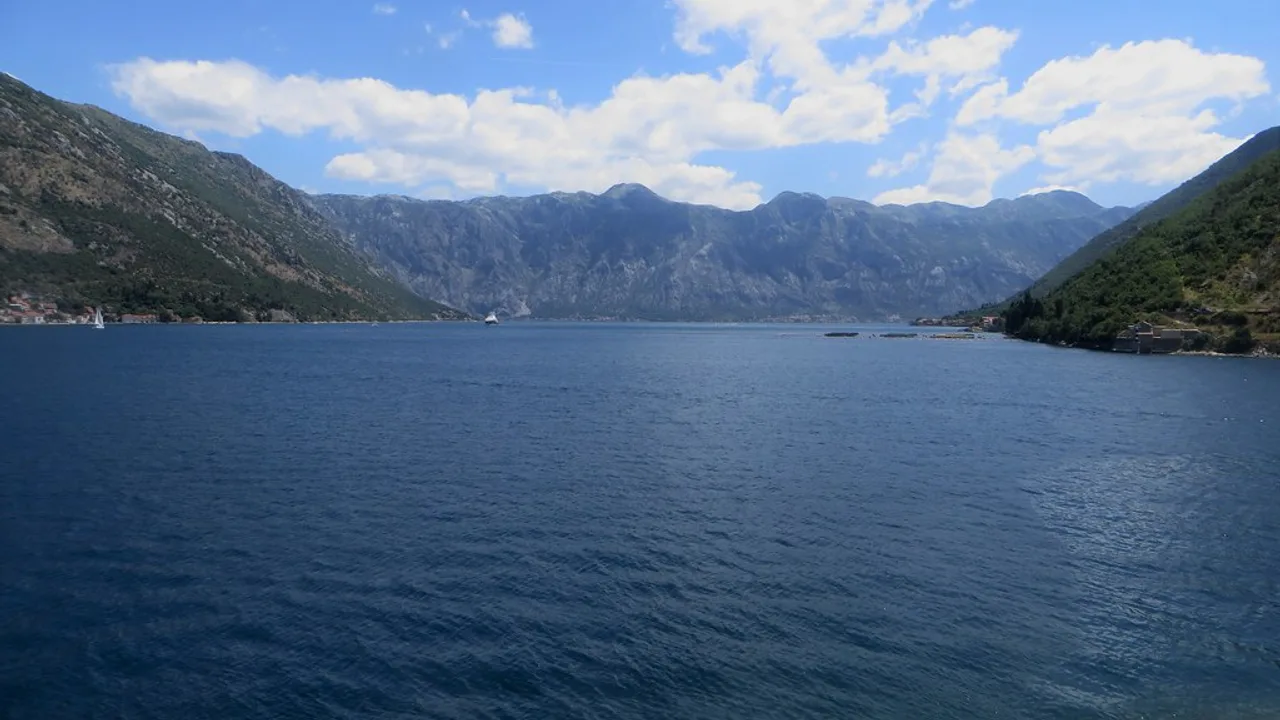
- The Bay of Kotor. The bay and its old towns (Kotor, Perast) are a UNESCO World Heritage cultural landscape and a sensitive, busy, built-up area near Tivat airport. Don't assume you can freely film here; check restrictions specifically.
- National parks. Montenegro's five national parks — Durmitor, Lovćen, Biogradska Gora, Skadar Lake and Prokletije — are treated as off-limits to recreational drones. That rules out some of the country's most dramatic landscapes without special authorisation.
- Borders and military/government sites. Avoid flying near the Croatia and other national borders and anywhere with a military or government installation. When in doubt, don't.
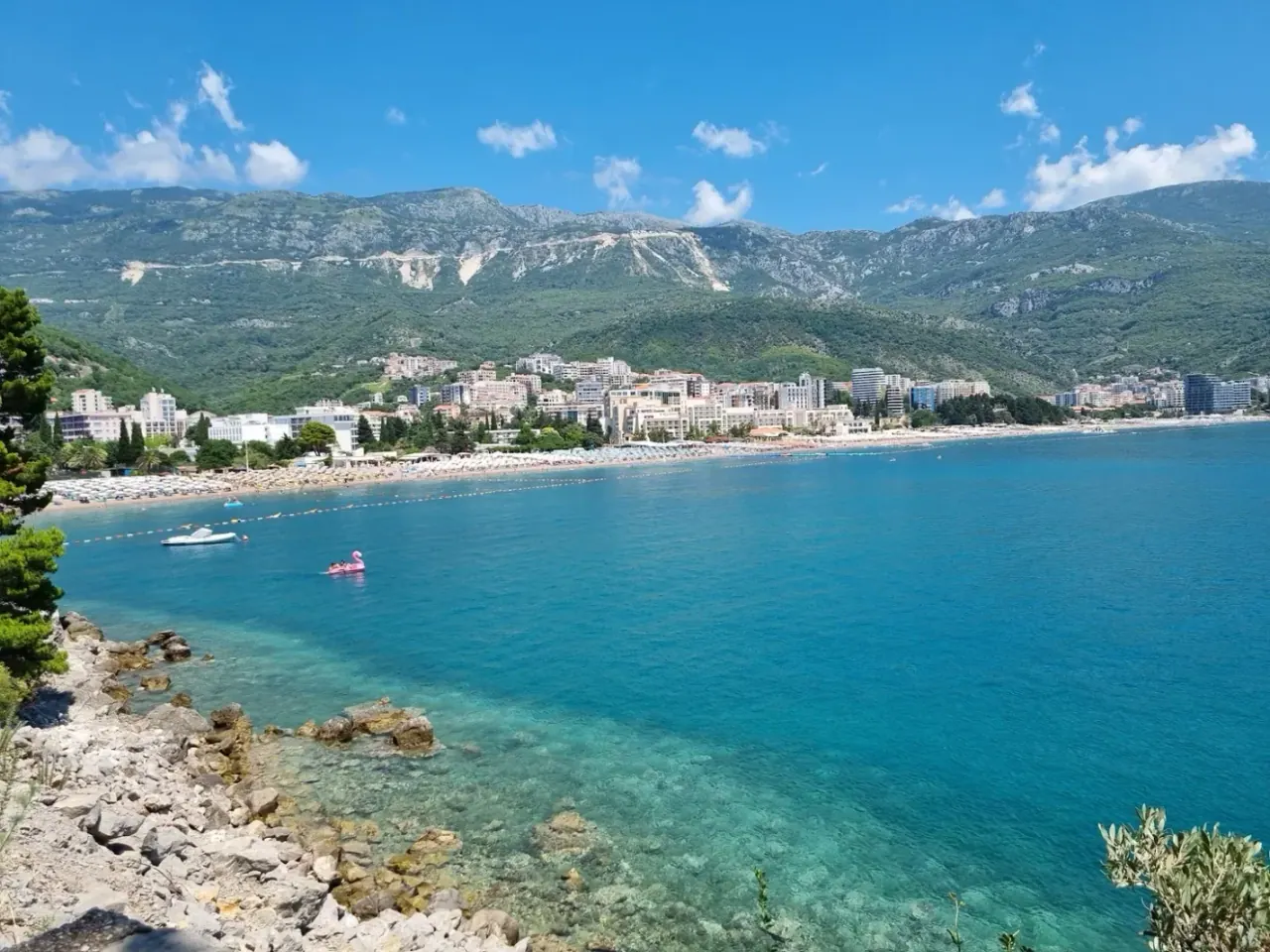
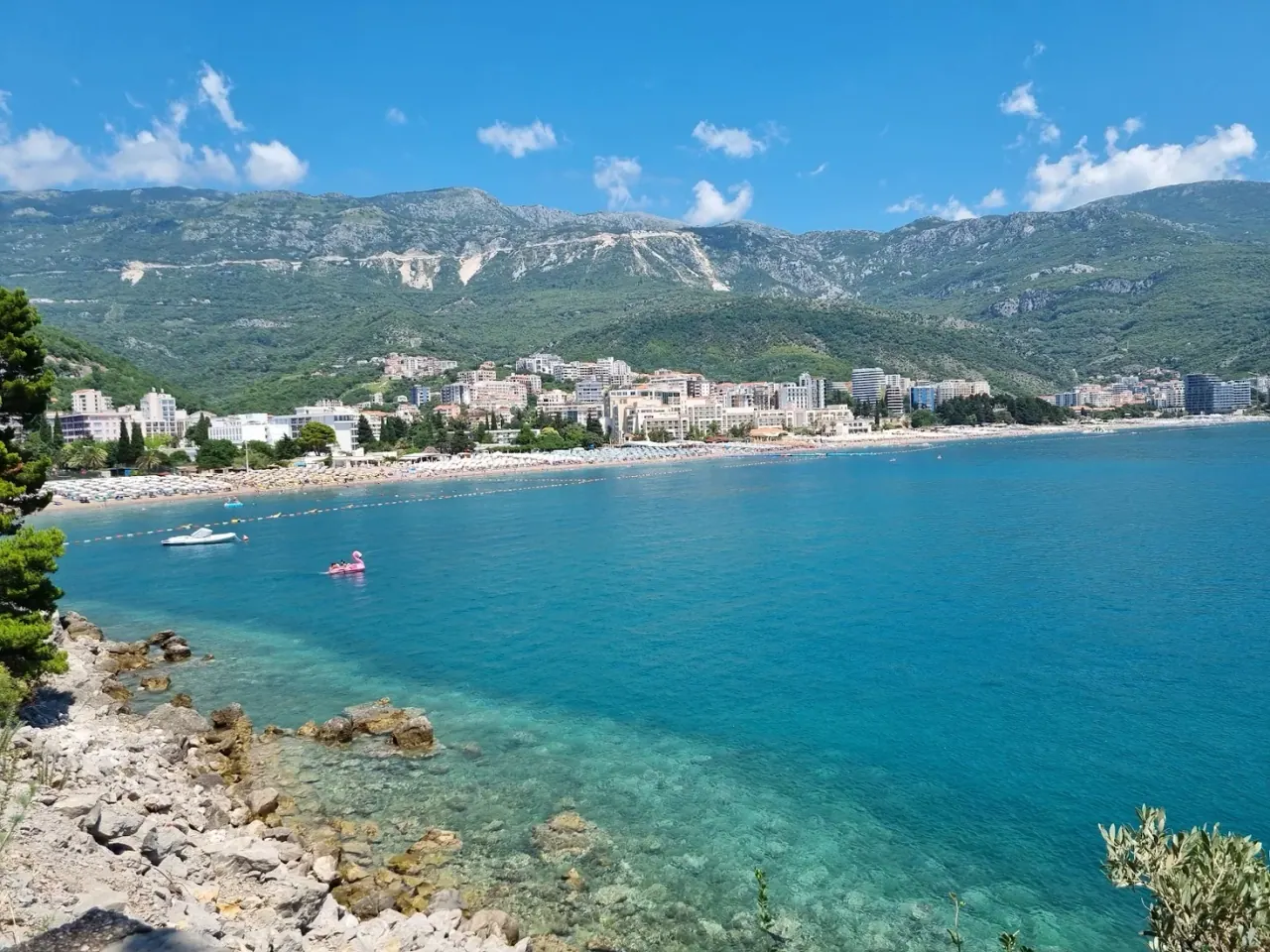
- Crowds and private property. Beaches, old towns and events along the Budva Riviera are congested in summer; flying over crowds is both unsafe and generally prohibited.
Practical daylight-and-line-of-sight rules apply throughout: daytime only, keep the aircraft within visual line of sight, fly at sensible low altitudes, and respect people's privacy on packed summer beaches.
Practical rules to fly by
Beyond where you can fly, a handful of operating rules recur across Montenegrin guidance — treat them as the baseline and confirm the specifics with the CAA:
- Weight and camera thresholds matter. The registration/declaration obligation is generally tied to the drone carrying a camera and to weight above a small-toy threshold, so almost any travel or hobby drone worth bringing will fall inside the rules. A sub-toy micro-drone is a different category — but don't assume it's exempt from the no-fly zones.
- Keep it low and in sight. Fly at modest altitudes, never beyond visual line of sight, and never at night. First-person-view or autonomous "follow" flying that takes the aircraft out of sight is the kind of thing that gets people into trouble.
- Privacy and people. Don't film identifiable people without consent, and never fly over gatherings or crowded beaches. In summer the Budva Riviera's beaches are packed, which alone rules out a lot of coastal flying.
- Carry your paperwork. Keep the import permit, any CAA registration/declaration and your insurance details on you (digital copies are fine) in case you're asked.
None of this replaces official guidance. Because the CAA's forms and procedures have changed recently, the safe habit is to get the current rules in writing from the agency and carry that confirmation.
Is it worth bringing a drone?
For a short beach holiday on the Budva Riviera, many visitors conclude the paperwork and no-fly zones outweigh the payoff — the best coastal and Bay of Kotor angles are exactly where restrictions bite hardest. If you're a keen aerial photographer set on flying, start the CAA and import-permit process weeks ahead, budget for insurance, and build your shot list around what's actually permitted rather than the postcard views. If you'd rather skip the hassle, you can still capture the scenery from the water and the ridgelines: a Bay of Kotor boat tour gets you the bay from sea level, and our roundup of the best day trips from Bečići covers the classic viewpoints. If you'll be driving to reach them, our Montenegro car rental guide has the practicalities.
Frequently Asked Questions
Can tourists fly drones in Montenegro?
Yes, but not casually. Montenegro generally requires an import permit to bring a drone in and registration for camera drones, and it bans flying in national parks, at night and near airports. Rules have been changing, so confirm the current requirements with the Civil Aviation Agency (CAA) before you travel, and arrange permits well in advance.
Do EU drone (EASA) rules apply in Montenegro?
No, not automatically — Montenegro is outside the EU and runs its own national drone regime. It does appear to recognise EU operators' EASA IDs and competency certificates, sparing them a local re-registration, but EU operators still need a Montenegrin import permit. Because this is recent and evolving, verify your exact status with the CAA.
Can you fly a drone over the Bay of Kotor?
Treat it as heavily restricted. The Bay of Kotor is a UNESCO World Heritage area and lies close to Tivat airport's airspace, so many of its iconic viewpoints are sensitive or off-limits. Don't assume it's allowed — check specifically with the CAA before flying anywhere around the bay.
Do I need to register my drone in Montenegro?
Generally yes for camera drones and anything above toy size, via the Civil Aviation Agency. The process has been in flux — the CAA withdrew online forms in early 2025 — so contact the agency directly for current instructions, and arrange the separate import permit before you arrive.
Are drones allowed in Montenegro's national parks?
No. All five national parks — Durmitor, Lovćen, Biogradska Gora, Skadar Lake and Prokletije — are treated as off-limits to recreational drones. Flying there requires special authorisation, so plan your aerial shots around permitted areas and confirm the rules with the CAA.