Two neighbours share the same stretch of Adriatic, but they don't share the same holiday, or the same bill. Montenegro packs dramatic scenery and lower prices into a compact coast; Croatia offers a thousand islands, polished infrastructure and higher costs to match. Since Croatia adopted the euro, the currency is no longer the deciding factor it once was, so the real question is what kind of beach trip you want. Here's an honest comparison. For the Montenegro side up close, see our is Montenegro expensive guide.
At a glance
| Montenegro (Budva Riviera) | Croatia (Dalmatia) | |
|---|---|---|
| Typical cost | Lower, often notably cheaper | Higher across the board |
| Coast | Compact; some rare sandy beaches | Vast; ~1,000+ islands, mostly pebble |
| Old towns | Kotor, Budva | Dubrovnik, Split, Trogir, Hvar |
| Currency | Euro (not in EU) | Euro (since Jan 2023; EU) |
| Crowds | Busy but smaller-scale | Very busy at marquee sights |
| Best for | Value, scenery, short transfers | Island-hopping, variety, polish |
In short: if budget and dramatic, close-together scenery matter most, Montenegro tends to win; if you want island-hopping variety and don't mind paying for it, Croatia has the edge. Both now use the euro, so the old currency-hassle argument has largely gone.
Cost: Montenegro is the cheaper base
The clearest, most consistent difference is price. Across accommodation, eating out, drinks and excursions, Montenegro generally runs cheaper than Croatia. A range of travel comparisons in 2025–2026 put a mid-range day in Montenegro meaningfully below the equivalent in Croatia, with some estimates of a 30–40% saving on a like-for-like trip. Budget rooms and apartments start lower, restaurant bills are gentler, and the marquee "must-pay" sights are fewer.
Croatia isn't extortionate, but its popularity, its EU membership and a well-developed tourism machine have pushed prices up, especially in headline spots like Dubrovnik, where a walk of the city walls alone is a significant ticket. If you're watching the budget and want beach time without the premium, Montenegro is the easier call. Just remember prices in both jump in peak July–August and ease in the shoulder seasons.
Currency: both use the euro now
A point worth clearing up, because it changes the old advice: Croatia adopted the euro on 1 January 2023, replacing the kuna, and joined the Schengen area at the same time. Montenegro has used the euro for years, despite not being an EU member. So whichever you choose, you'll spend euros, no currency exchange, no leftover foreign notes.
One practical caveat: Montenegro is not in the EU or Schengen, so an EU SIM may still incur roaming charges there, and there's a border crossing between the two countries. Croatia, as an EU and Schengen member, is seamless for EU travellers on both counts. See our practical info for Montenegro specifics, our eSIM and mobile data guide for keeping your phone online, and the Montenegro–Croatia border crossing guide if you plan to hop between the two.
Beaches: variety versus rare sand
Here the two genuinely diverge. Croatia's asset is its islands, well over a thousand of them, creating an almost endless variety of coves, pebble beaches and swimming spots, many reachable only by boat. That island-hopping dimension is something Montenegro simply can't match, and it's the heart of a Croatian coastal holiday.
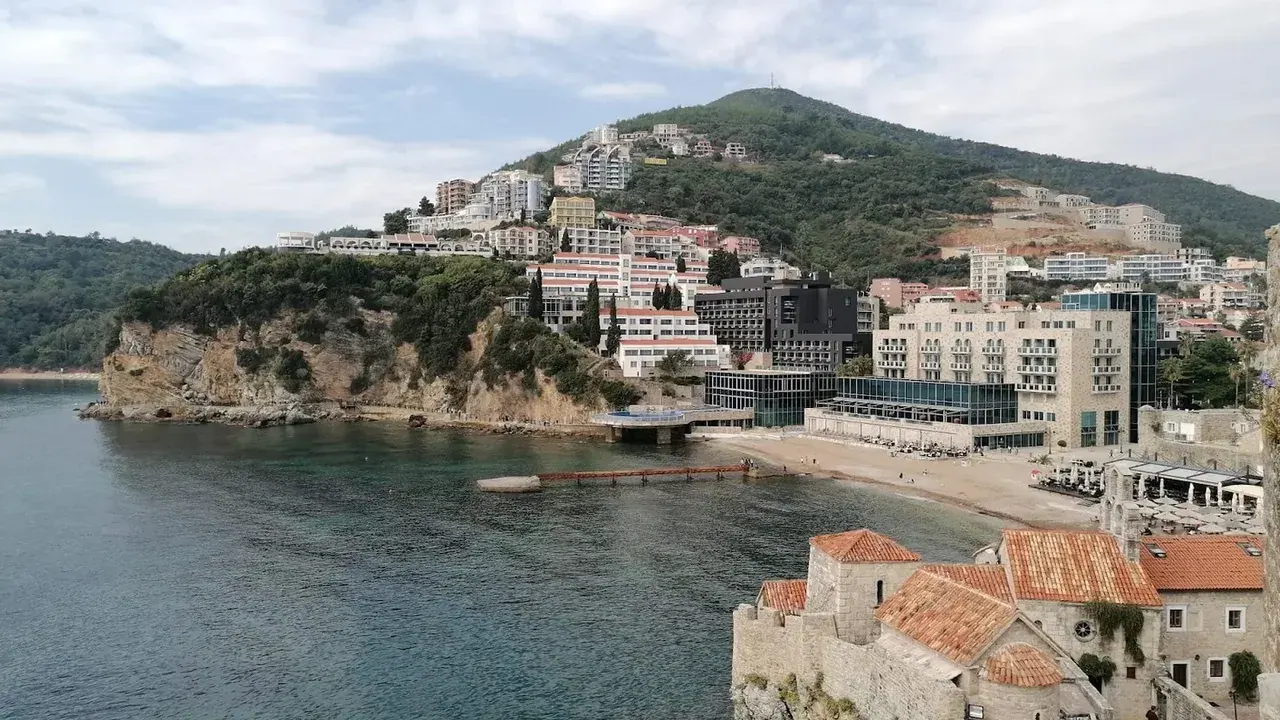
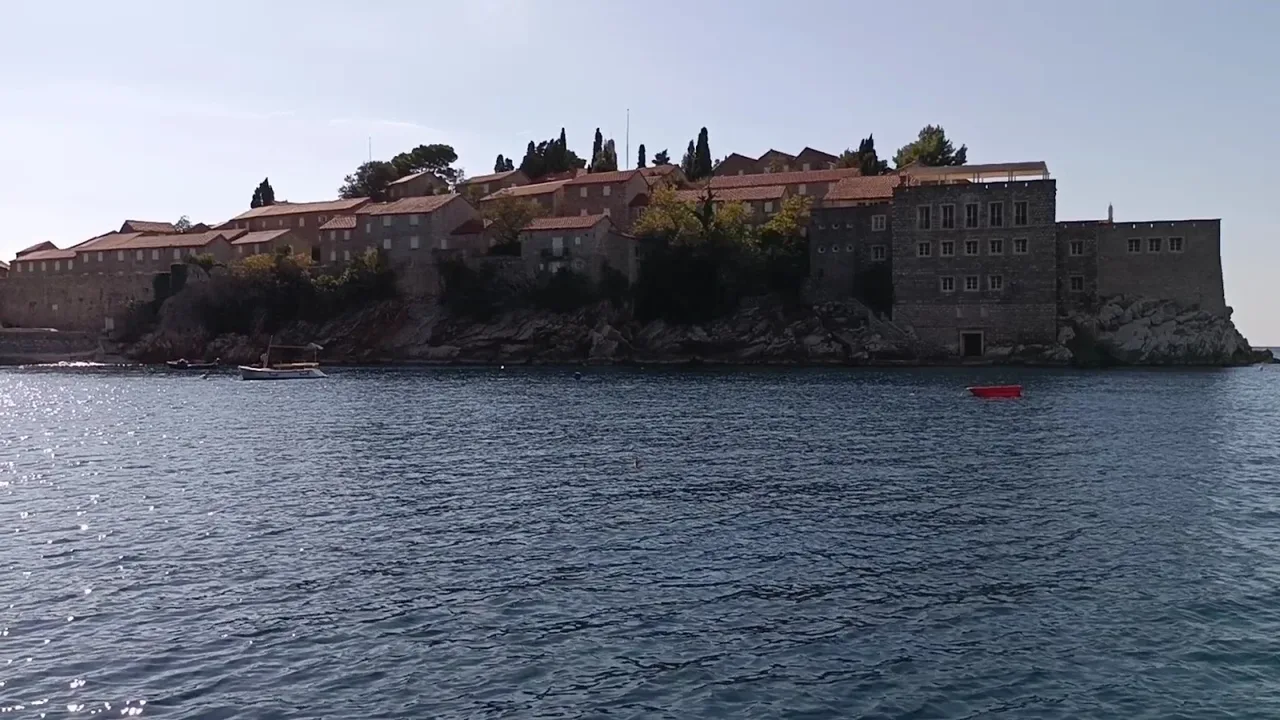
Montenegro's coast is far more compact, but it holds something Croatia largely lacks: genuine sand. The Bečići crescent, the cove below Sveti Stefan and the long Velika Plaža near Ulcinj are real sandy beaches, a rarity on an Adriatic dominated by pebble and rock. So the trade-off is clear: Croatia for variety and island scenery, Montenegro for sand and short transfers between beaches that are all close together.
Crowds and scale
Both coasts are busy in summer, but the pressure points differ. Croatia's star attractions concentrate crowds, Dubrovnik's walls and old town, Split's Diocletian's Palace and the popular islands can feel intensely packed in July and August, partly a cruise-ship and blockbuster-filming effect. The scale of Croatian tourism is simply larger.
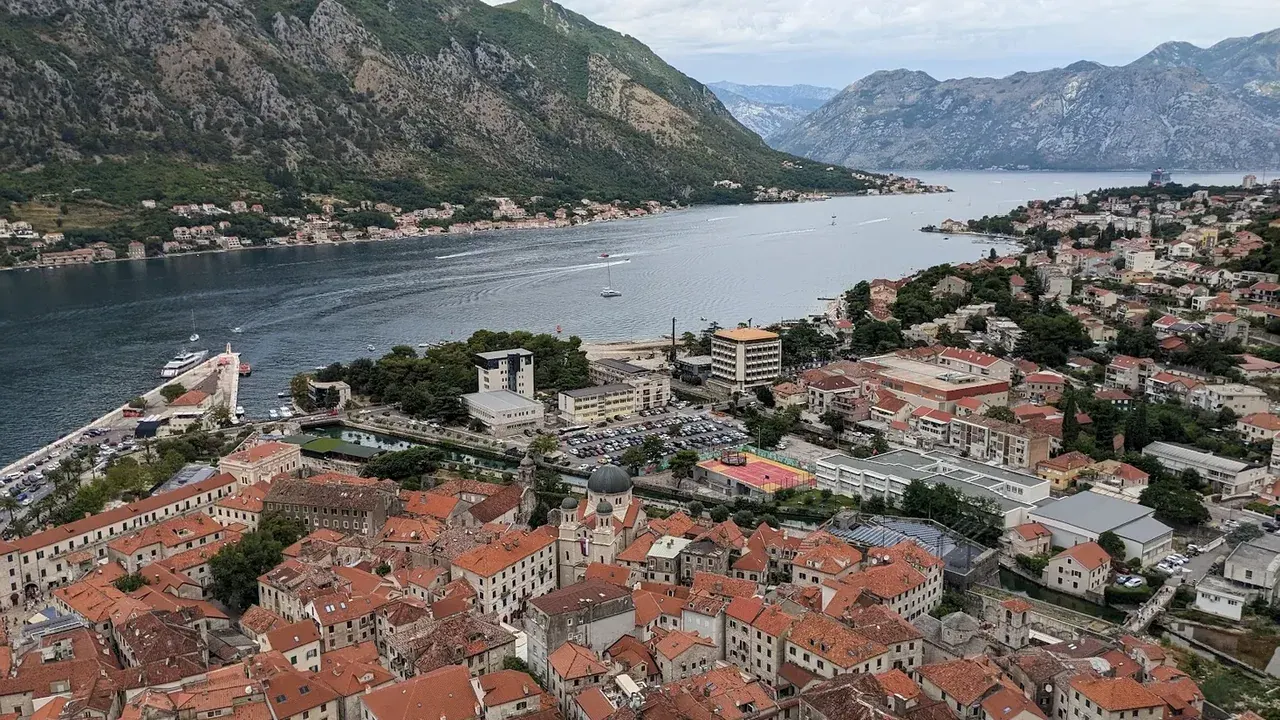
Montenegro is busy too, Kotor and Budva heave in peak season, and Kotor's bay sees its own cruise traffic, but the overall scale is smaller and the crowds a touch less overwhelming outside the headline spots. Neither is a hidden secret any more, but Montenegro can feel marginally more relaxed, and its compactness means you're never far from a quieter cove.
Getting there and getting around
Croatia has more airports and more direct flights from across Europe, Split and Dubrovnik are major summer hubs, plus an extensive ferry and catamaran network that's essential for island-hopping and a pleasure in itself. Distances along the long Dalmatian coast are greater, though, so island days and transfers eat into time.
Montenegro is served mainly by Tivat (TIV) and Podgorica (TGD) airports, with Dubrovnik's airport also within reach across the border for the north of the country. Its coast is short and drives are quick, Bečići to Kotor is well under an hour, so you can see a lot in a few days without long transfers. For reaching the Budva Riviera specifically, see our getting here guide, and note that Dubrovnik makes an easy day trip from Montenegro if you want a taste of Croatia too.
Scenery
Both deliver, in different registers. Montenegro's signature is drama and contrast, the fjord-like Bay of Kotor, mountains that plunge to the sea, and the interior's canyons and peaks all packed into a small country. Croatia's signature is its seascape, the shimmering archipelago of Dalmatia, honey-stone towns and endless island horizons. If you're torn, the good news is they're neighbours: base in Montenegro and a Croatian old town is a day trip away, or vice versa.
Food and dining
Both coasts eat well off the same Adriatic, with grilled fish, seafood risottos and Mediterranean staples common to each. Croatia's dining scene is broader and more polished, from Dalmatian konobas to a growing crop of ambitious, higher-end restaurants, matched by higher prices, especially in Dubrovnik and Hvar. Montenegro's food leans hearty and better value: fresh fish and seafood on the coast, plus mountain specialities inland like Njeguši prosciutto and cheese, smoked over the mountain air. You'll eat well in either, but a seafood dinner tends to cost noticeably less on the Montenegrin side. For what to order on the Budva Riviera, see our where to eat in Bečići guide.
The honest verdict
- Choose Montenegro for lower prices, dramatic scenery packed into short distances, genuine sandy beaches and quick transfers. A strong pick for value-conscious beach holidays and first-time visitors who want a lot in a few days.
- Choose Croatia for island-hopping variety, polished infrastructure and iconic old towns, if you're happy to pay more and travel a bit further between highlights.
There's no wrong answer on this coast. Both deliver a fine Adriatic summer, both now use the euro, and they're close enough to combine. Let your budget and your appetite for island-hopping decide. To plan the Montenegro side, see is Montenegro expensive and our day trips hub.
Frequently Asked Questions
Is Montenegro cheaper than Croatia?
Generally yes. Across accommodation, dining, drinks and excursions, Montenegro tends to run cheaper than Croatia, with some 2025–2026 comparisons suggesting a 30–40% saving on a like-for-like trip. Croatia's popularity and EU membership have pushed its prices higher, especially in Dubrovnik. Both are dearest in July and August and better value in shoulder season.
Do Montenegro and Croatia both use the euro?
Yes. Montenegro has used the euro for years despite not being in the EU, and Croatia adopted the euro on 1 January 2023, replacing the kuna. So you'll spend euros in either country. Note that Montenegro is outside the EU and Schengen, so EU SIM roaming may apply and there's a border crossing between the two.
Which has better beaches, Montenegro or Croatia?
It depends what you want. Croatia offers unrivalled variety through its 1,000-plus islands, mostly pebble and rock. Montenegro's coast is smaller but has something rare on the Adriatic, genuine sand, at Bečići, Sveti Stefan and Ulcinj's Velika Plaža. Croatia wins for island-hopping variety; Montenegro wins for sandy beaches and short transfers.
Is it easy to visit both Montenegro and Croatia?
Yes. They share a border on the Adriatic, and Dubrovnik in southern Croatia is an easy day trip from Montenegro's Budva Riviera. Croatia's airports (including Dubrovnik) also serve northern Montenegro. Since both use the euro, combining them is straightforward, though you'll cross a non-Schengen border between the two.
Should I choose Montenegro or Croatia for a beach holiday?
If value, dramatic scenery and quick transfers between close-together beaches appeal, choose Montenegro. If you want island-hopping variety, polished infrastructure and famous old towns like Dubrovnik and Split, and don't mind higher prices, choose Croatia. Both use the euro and sit side by side, so you can even combine the two in one trip.