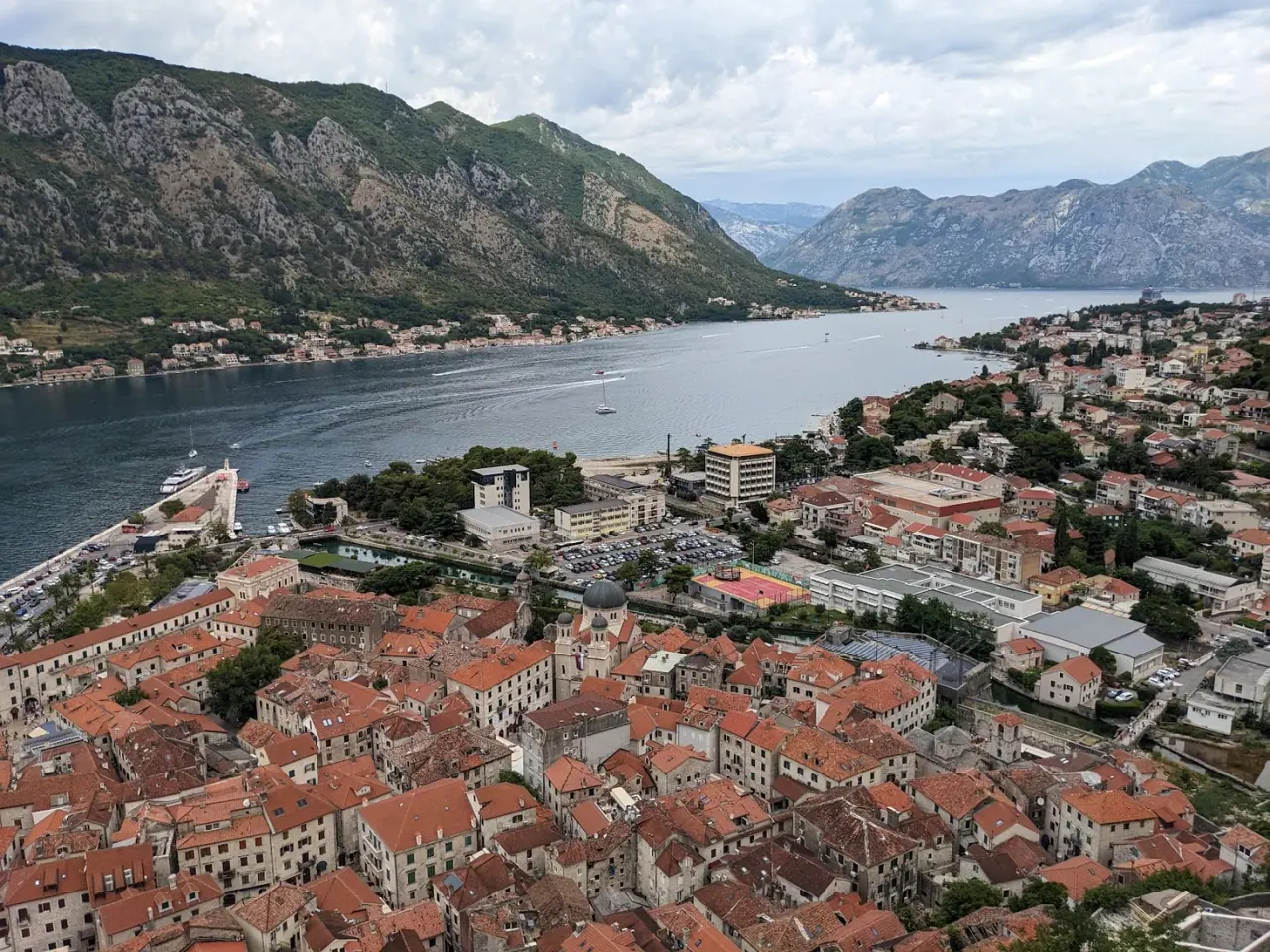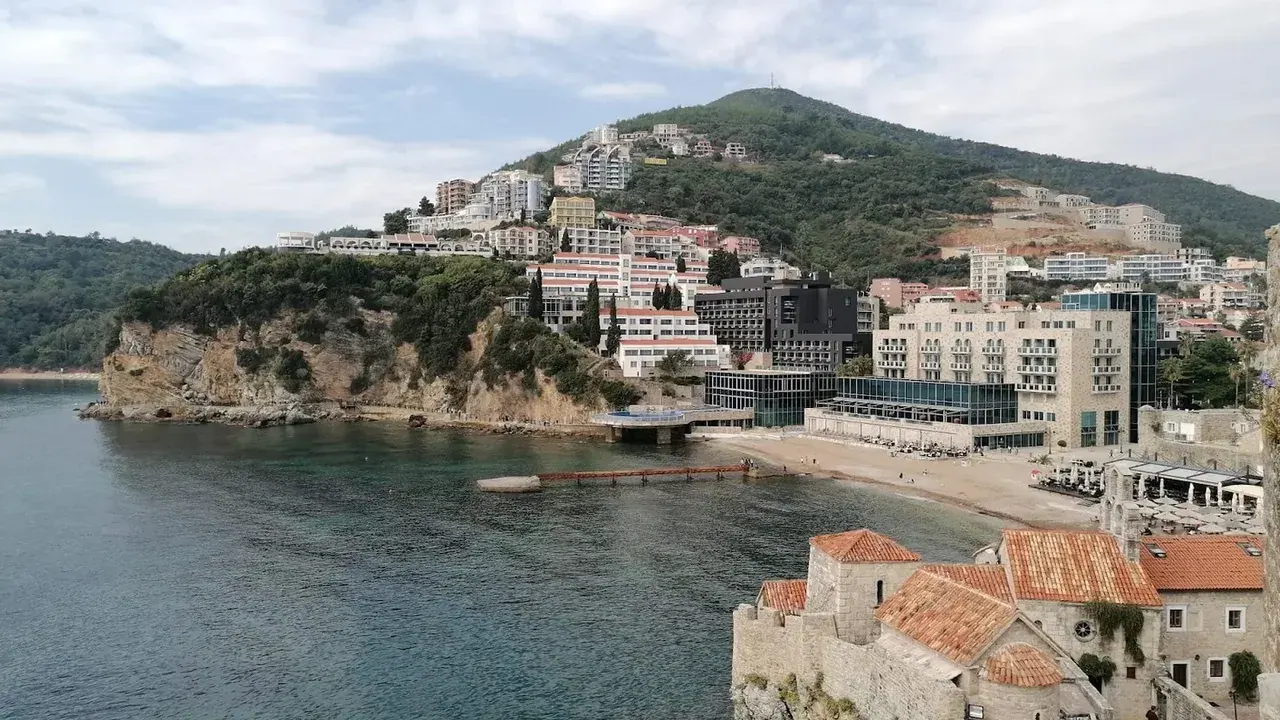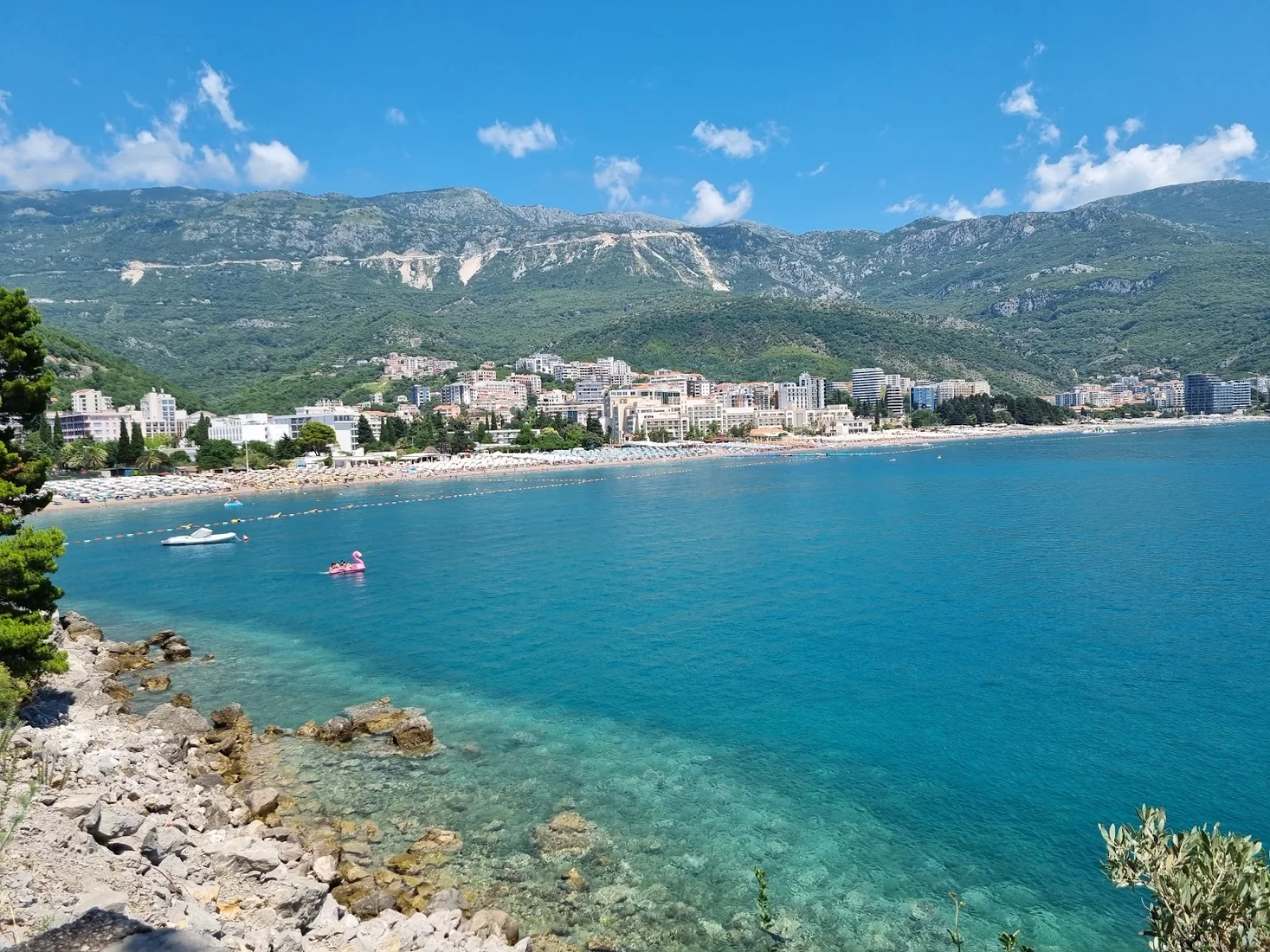
Montenegro is one of the safer, easier corners of the Balkans to travel, and Bečići, a resort strip on the well-trodden Budva Riviera, is about as relaxed as a beach holiday gets. Violent crime is rare, the country is a stable NATO member that uses the euro, and the real hazards of a trip here are practical: the dramatic mountain roads, the summer sun and the Adriatic itself. Plan around those and it's a genuinely low-stress destination.
The short answer
Yes, Bečići and Montenegro are safe to visit in 2026. The thing most likely to test you is the driving, not the people. Here's how the genuine risks actually rank.
| Risk | How real | What to do |
|---|---|---|
| Mountain & coast roads | The #1 real hazard | Drive defensively, slow for bends, avoid night mountain driving |
| Sun & heat | High Jun–Sep | Water, shade, hat, midday breaks |
| Sea (few lifeguards, boats) | Moderate | Swim within your depth; take care on boat trips |
| Summer crowds & petty theft | Low | Normal precautions in busy spots |
| Crime | Very low | Sensible night-out habits |
Crime: low, and the coast is well-touristed
Montenegro records low levels of violent crime, and along the tourism-driven Budva Riviera serious crime against visitors is uncommon. What exists is mostly opportunistic petty theft in the summer crush, busy beaches, the Budva old-town lanes, nightlife crowds. Keep valuables secure and you'll almost certainly have no trouble. The country is a NATO member (since 2017) and EU candidate, politically stable, with a coast geared entirely around welcoming visitors. Solo and female travellers generally find it comfortable and easy, day and night. See our solo travel guide to Bečići for how a trip here works on your own, from dining alone to meeting people.
One quiet advantage: Montenegro uses the euro, despite not being in the EU or eurozone. For most European travellers that removes the usual currency friction, no exchange, familiar prices, cards accepted across Bečići and Budva.
The real risk: the roads
If a Montenegro trip has a genuine danger, it is the roads. The scenery is unmissable, but reaching it means narrow, steep, serpentine mountain routes: the famous Kotor–Lovćen hairpins, the climb to Ostrog Monastery, the long haul to Durmitor, and a coast road that clogs and tempts bold overtaking in July and August.
None of it should deter you, but respect it: slow right down for blind bends, keep your distance, park carefully on the narrow lanes, and avoid the mountain sections after dark. If you'd rather not drive, the coast is well served by buses and taxis, and most Riviera sights can be done by organised tour. See our best day trips from Bečići for how the sights string together.
Sun, sea and practicalities
- The sun. June to September is strong; carry water, wear sunscreen and a hat, and take shade at midday.
- The sea. The Adriatic off Bečići is usually calm and swimmable, but not every beach has lifeguards, swim within your depth, and take normal care on the popular Bay of Kotor boat trips and around rocky coves.
- Cash and cards. Cards work across Bečići and Budva, but carry euros for small tavernas, beach kiosks, parking and rural stops.
- Hiking. If you head into the mountains at Lovćen or Durmitor, tell someone your plan, take water and layers, and note the mountain-rescue number below.
Emergency numbers
- 112, the general emergency number (police, ambulance or fire, in English).
- 122, police · 124, ambulance · 123, fire.
- 195, mountain rescue (useful for Lovćen and Durmitor hikers).
- Travel insurance is strongly recommended, especially if you plan to drive or hike.
For whether the resort itself suits you, see is Bečići worth visiting; for getting there, see our guide to reaching Bečići.
Frequently Asked Questions
Is Montenegro safe for tourists in 2026?
Yes, Montenegro is a safe, welcoming destination with low levels of violent crime and a coast built around tourism. It's a stable NATO member (since 2017) and an EU candidate, and Bečići on the Budva Riviera is a heavily-touristed resort area where visitors are very comfortable. As a bonus, Montenegro uses the euro, so there's no currency hassle for most European travellers.
Is Bečići safe for solo and female travellers?
Yes. Solo and female travellers generally feel very comfortable in Bečići and along the Budva Riviera, including in the evenings around the beach and old town. Take the usual precautions, mind your drink and valuables in busy nightlife spots, and use licensed taxis late at night, and you'll almost certainly have an easy, relaxed trip.
Is it safe to drive in Montenegro?
It's the one thing to take seriously. Montenegro's roads are spectacular but mountainous, narrow and winding, the Kotor–Lovćen serpentine and the climb to Ostrog especially, with confident local overtaking, summer congestion on the coast road, and the occasional tunnel or tight bend. Drive defensively, don't rush the bends, and avoid night driving on mountain sections.
What currency does Montenegro use?
The euro. Montenegro isn't in the EU or the eurozone but has used the euro as its currency for years, so most European visitors need no currency exchange. Cards are widely accepted in Bečići, Budva and the hotels, but carry some cash for small tavernas, beach kiosks, parking and rural stops, where cards can be hit or miss.