At a glance
| Detail | |
|---|---|
| What it is | Montenegro's old royal capital — palace, museums, monastery |
| From Bečići | ≈35 km · 40–50 min by road via Budva |
| Museums | Museum of King Nikola ~€8; combined National Museum ticket ~€20 (also covers the Njegoš Mausoleum) |
| Cetinje Monastery | Free (relics: right hand of St John the Baptist, True Cross fragment); modest dress |
| Pairs with | Lovćen National Park + Njeguši (pršut & cheese) |
| Best for | Royal history, museums, monastery |
| Time needed | Half-day (full day with Lovćen) |
Montenegro's old royal capital
Trade the beach for a morning of monarchs and museums: Cetinje, Montenegro's old royal capital, sits just up the mountain from the Budva Riviera — about 35 km and 40–50 minutes each way. Founded in the late 15th century, it became the seat of Montenegro's rulers and, under King Nikola I Petrović-Njegoš at the turn of the 20th century, the diplomatic heart of a newly recognised kingdom. Foreign powers built legations here, and their handsome old embassy buildings still line the streets. Though the modern capital moved to Podgorica, Cetinje remains Montenegro's honorary and cultural capital — compact, walkable and utterly different in mood from the coast.
Palace, museums and monastery
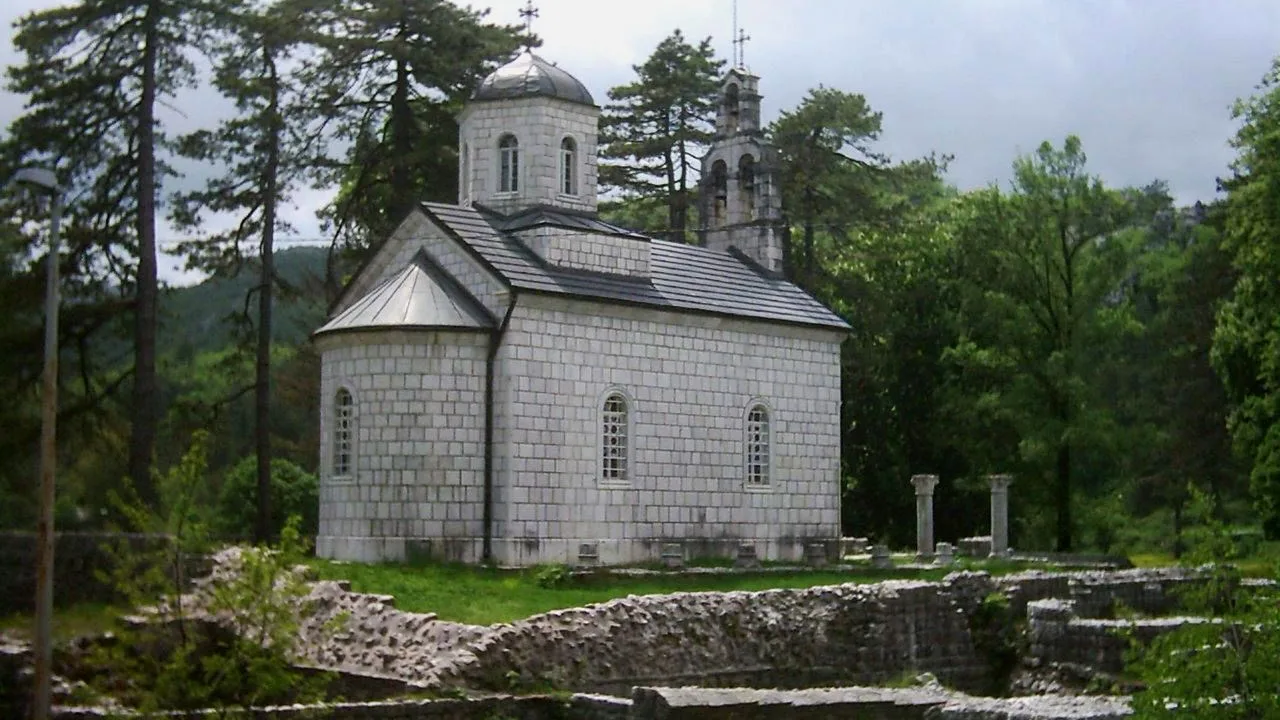
The headline sight is the Museum of King Nikola, in the former royal palace, kept much as it was — around €8 adult in 2026. Cetinje's museums are grouped under the National Museum of Montenegro: the History and Art Museums (around €5 each, in the former parliament), the Njegoš Museum (Biljarda) and the Ethnographic Museum (roughly €4–5). A combined ticket covering all units is about €20 adult, which also covers the Njegoš Mausoleum on Lovćen. A few minutes' walk away, Cetinje Monastery is a living religious site holding relics of deep significance to Orthodox Christians — said to include the right hand of St. John the Baptist and a fragment of the True Cross. Entry is free, but modest dress is expected.
Pair it with the mountains
Because Cetinje is only a half-day in itself, it pairs beautifully with the mountains behind it: Lovćen National Park and its Njegoš Mausoleum rise just west of town, and Njeguši, on the Lovćen road, is the home of Montenegro's most famous prosciutto (pršut) and cheese — the beech-smoked, year-cured Njeguški pršut is one of only a handful of products with protected geographical-indication status in Montenegro. Do all three and you have a full, varied day of royal history, high scenery and mountain food, all within an hour or so of the beach. Carry cash for tickets and tastings, and check museum hours ahead in shoulder season.