History
How it came to be
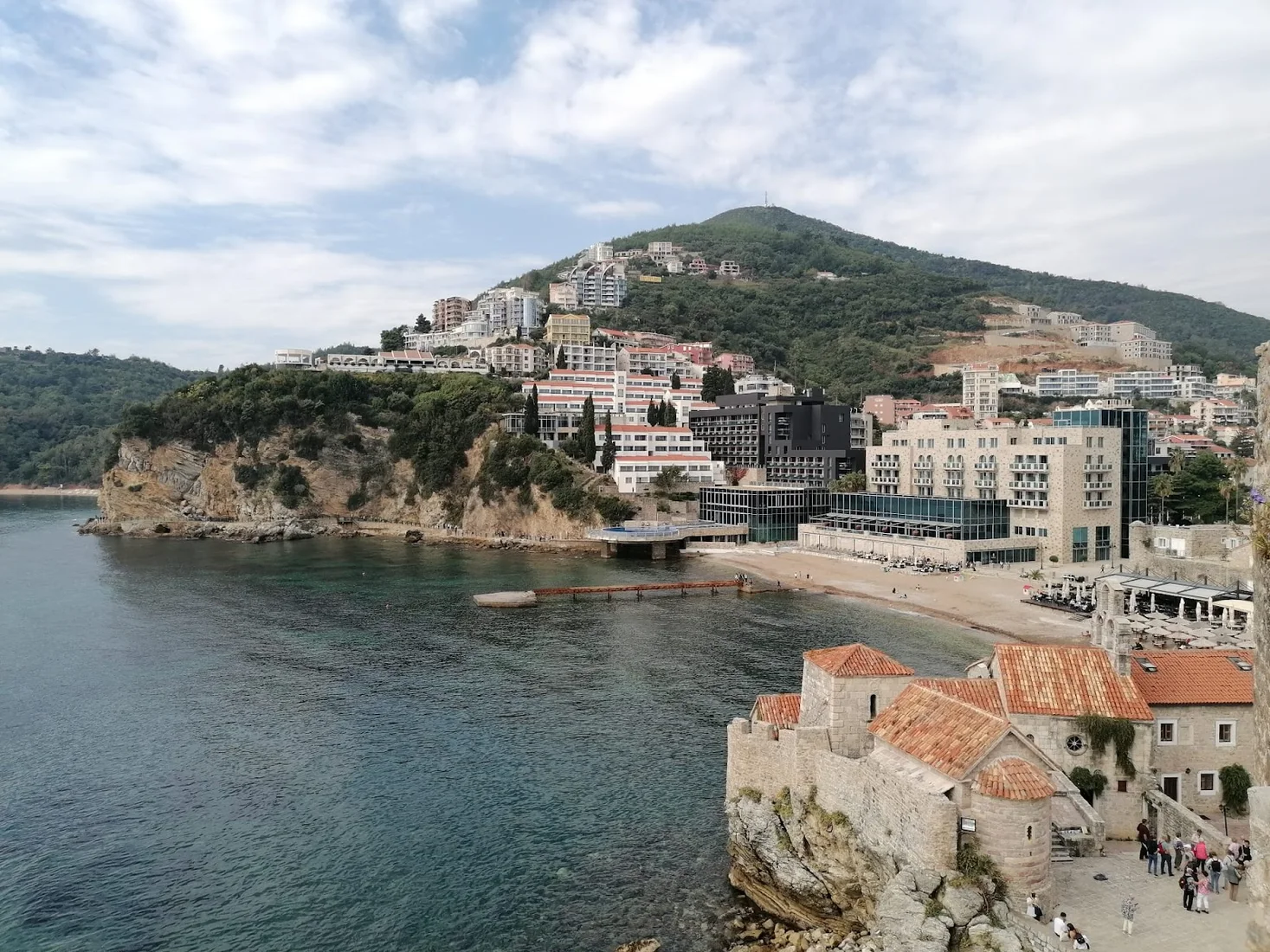
One of the oldest settlements on the Adriatic — some 2,500 years old — Budva's old town carries Illyrian, Greek, Roman and Venetian layers within its medieval walls, most of them from the long Venetian rule (1442–1797) that raised its ramparts and shaped its palaces and squares, and was faithfully rebuilt to its original form after the 1979 earthquake.
What You’ll See
On a visit
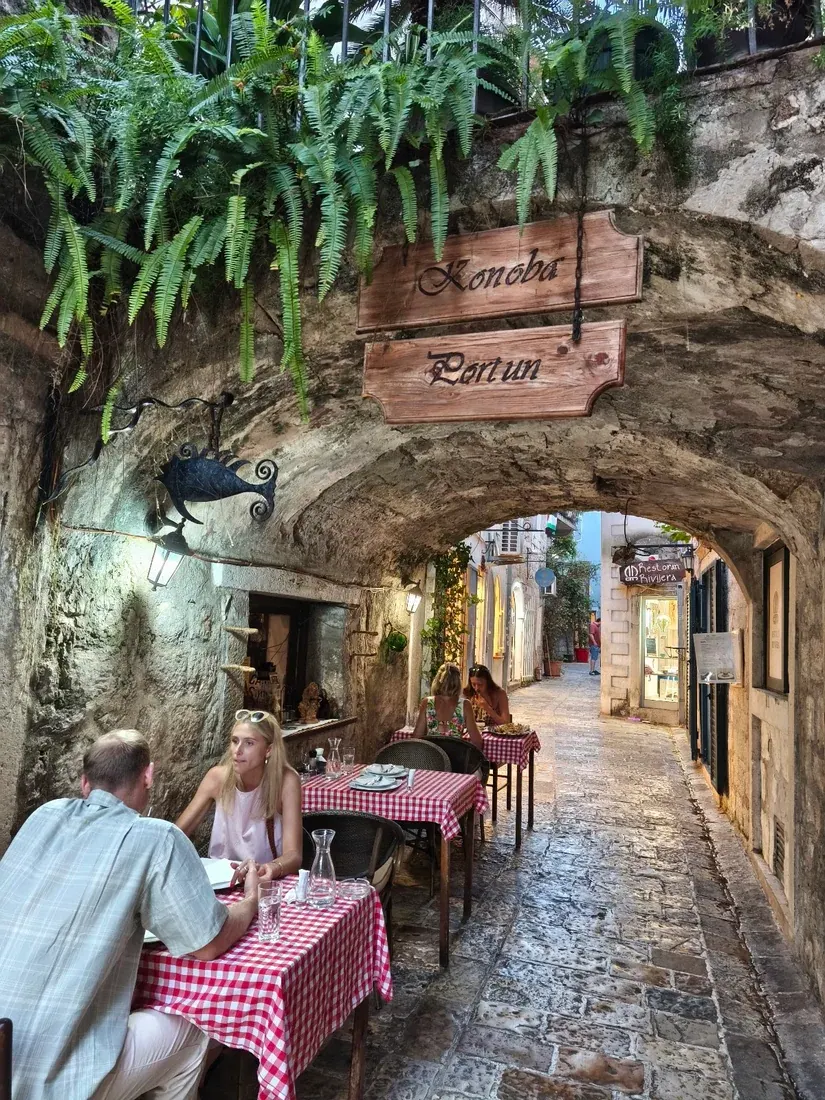
The citadel and sea walls, the old churches around the main square, and the lanes of stone houses down to the marina.
How to Visit
A short drive, bus or seafront walk from Bečići.
Best Time
Late afternoon and evening.
Gallery
Good to Know
About 3 km north — you can walk there along the seaside promenade, or take a short bus, taxi or summer boat. Half a day is plenty to wander the walled old town.
Budva is one of the oldest settlements on the Adriatic — some 2,500 years old — with Illyrian, Greek, Roman and Venetian layers within its medieval walls, most of them from the long Venetian rule.
Yes — it was faithfully rebuilt to its original form after the 1979 earthquake that struck the Montenegrin coast, so the walled old town keeps its historic character.
Read More